The problem
A client asks you to add AI to software they already have. Maybe it books their jobs, or holds their customer records. Someone else built it years ago. You have not seen the code. They want a price this week.
So you guess. You quote a fixed price for the AI feature. Then you open the code. There are no tests. The one developer who understood it left last year. Passwords sit inside the files. The job doubles, and you either eat the cost or go back and ask for more money.
That is how a lot of small AI agencies lose money on an early project. The AI part was never the hard part. The software underneath it was.
Why this keeps happening
Agencies price the part they can see, which is the new AI feature. The risk sits in the part they cannot see, which is the old software it has to plug into. Nobody pays you to look before you quote, so you do not look.
The client is not hiding anything. Most owners do not know what shape their software is in. They only know it mostly works.
Guessing wrong is getting more expensive. Gartner expects over 40 percent of AI agent projects to be canceled by the end of 2027. It names rising costs, unclear value and weak risk controls. A surprise in old code can hit all three at once.
| What you find in the code | What it does to your quote |
|---|---|
| No automatic tests | Every change needs slow checking by hand |
| One person wrote most of it, and they left | Days lost just learning how it works |
| Passwords saved inside the code | Security work before any AI can touch it |
| No clean way for other software to read the data | You build that first, then the AI feature |
How to fix it
Sell the look before you sell the build. A paid check of the client's software makes a good first product. It only reads the code, so nothing breaks if you get something wrong. It pays you for work you would otherwise do for free. And it turns a guess into a real quote.
- Sell the check as its own small job, with its own price. Do not hide it inside the build quote.
- Ask for read-only access to the code. Read-only means you can look, but you cannot change anything.
- Check the same list every time. Can changes be tested? Who wrote the code, and are they still around? Are passwords stored safely? Can other software read the data cleanly?
- Give each area a simple grade. Put the worst grade at the top of the report. Good work in one area does not cancel out a serious gap in another.
- Have a senior person on your team read the report before the client sees it. Their job is to catch anything the check got wrong.
- End with a plan: what to fix in the first 30, 60 and 90 days, and roughly what each step costs.
- Quote the build from that plan. The fix list is often your next project, for a client who already agrees it is needed.
What to charge. As of August 2026, DevShopVault, a guide for agency owners, puts a packaged audit at $5,000 to $25,000, with margins of 70 to 85 percent. It also says about 30 to 50 percent of audits should turn into a build or a monthly contract when the plan is good. That last number is the real reason to sell the check first. You walk in as the person who found the problem, not as someone pushing a tool.
Need a starting list of questions? This AI readiness checklist covers the ground. Turn each item into a plain yes or no question, and you have your first version.
What BlueBear is building for this
BlueBear is testing this exact kind of check in a small pilot. It is not open for purchase on bluebear.ai yet. Here is what the pilot does today.
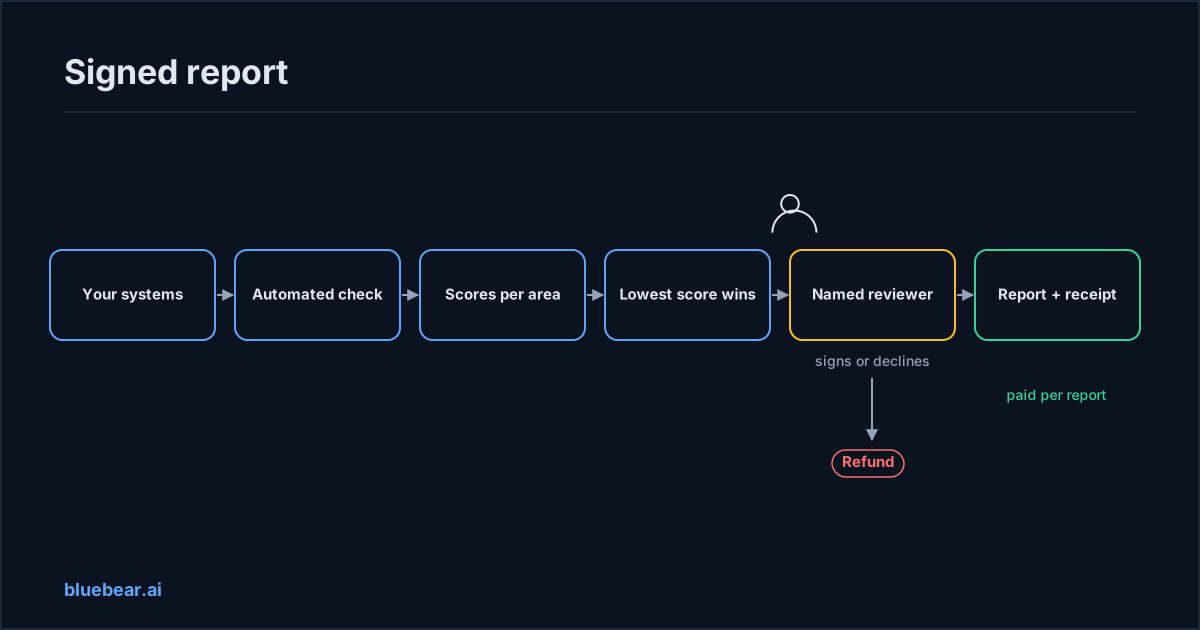
It reads a client's code with read-only access, against a fixed list of checks. The checks cover the areas above: tests, who wrote the code, how passwords are handled, old and messy code, and whether other software can read the data. The report grades each area and puts the worst one first. It ends with a 30, 60 and 90 day plan.
A person reviews every report before it is released. If they reject it, you get your money back. The price is set per check, based on how big the job is.
What it does not do yet. It checks the code, not the client's staff or daily habits. Every report takes a real person's time, so only so many go out each week. And agencies cannot sell their own version through BlueBear on their own yet. BlueBear adds sellers one at a time.
What to do next
Pick one client who has asked you to add AI to software they already run. Pitch the check as a small paid job before you quote the build. Use the list above and run it by hand this month. When you are ready to sell that same work again and again, read how to sell your AI project to the next ten clients.
Want to try BlueBear's version on a client's code during the pilot? Get in touch.
Questions people actually search for
- what should an ai agency sell first
A paid check of the client's existing software, before you quote any AI build. It only reads the code, so a mistake costs you a correction, not a broken system. It pays you for work you would otherwise do for free. It turns a guess into a real quote. And the fix list it produces is often your next project.
- what is an ai readiness audit for existing software
A check of whether a business's current software can safely take on AI features. It looks at whether changes can be tested, who wrote the code and whether they are still around, how passwords are stored, and whether other software can read the data. The result is a plain report, graded by area, with a plan for what to fix first.
- why grade software by its worst area not the average
Because one serious gap can sink the whole project. Software with great documentation and passwords saved inside the code is not half ready. It is not ready. An average would hide that gap behind the good grades. Putting the worst area first tells the owner exactly what to fix before anything else.
- how should an ai agency price a code check
Price it as its own small job, separate from the build. As of August 2026, the agency guide DevShopVault puts packaged audits at $5,000 to $25,000. Base your number on how big the software is and how deep the check goes, because most of the cost is a senior person's time. If they go ahead with the build, you can take part of the fee off it.